Insight
Keyword Cannibalisation: When the Wrong Page Ranks
I found it at the end of July, running a keyword study on my own site — the same read I normally run on clients. Five phrasings of the same buyer intent: shopify designer, shopify designers uk, shopify website designer, and so on. Between them, 1,776 impressions across a trailing 90 days, and 2 clicks.
The natural reading is a ranking problem, and it half is — the phrasings sat between positions 20 and 60. But the finding underneath was sharper. The only page of mine ranking for any of them was an article about how to choose a Shopify web designer. Advice, written to be even-handed. There was no page anywhere on the site for the person who had finished choosing and wanted to hire one.
The industry has a name almost right for this, so let’s deal with the name first.
What keyword cannibalisation actually is
Keyword cannibalisation is two or more of your own pages competing for the same search. Google can’t settle on which page is the answer, so the ranking swaps between URLs, or both sit mid-table where one strong page would rank properly. It’s real, and it has a recognisable signature: open Search Console, click a query, switch to the Pages tab, and watch two URLs trade places over time.
It’s also rarer than the volume of articles about it suggests. Most small-business sites I read don’t have two pages fighting over a search. They have a gap wearing the same symptoms.
The quieter cousin: the page you never built
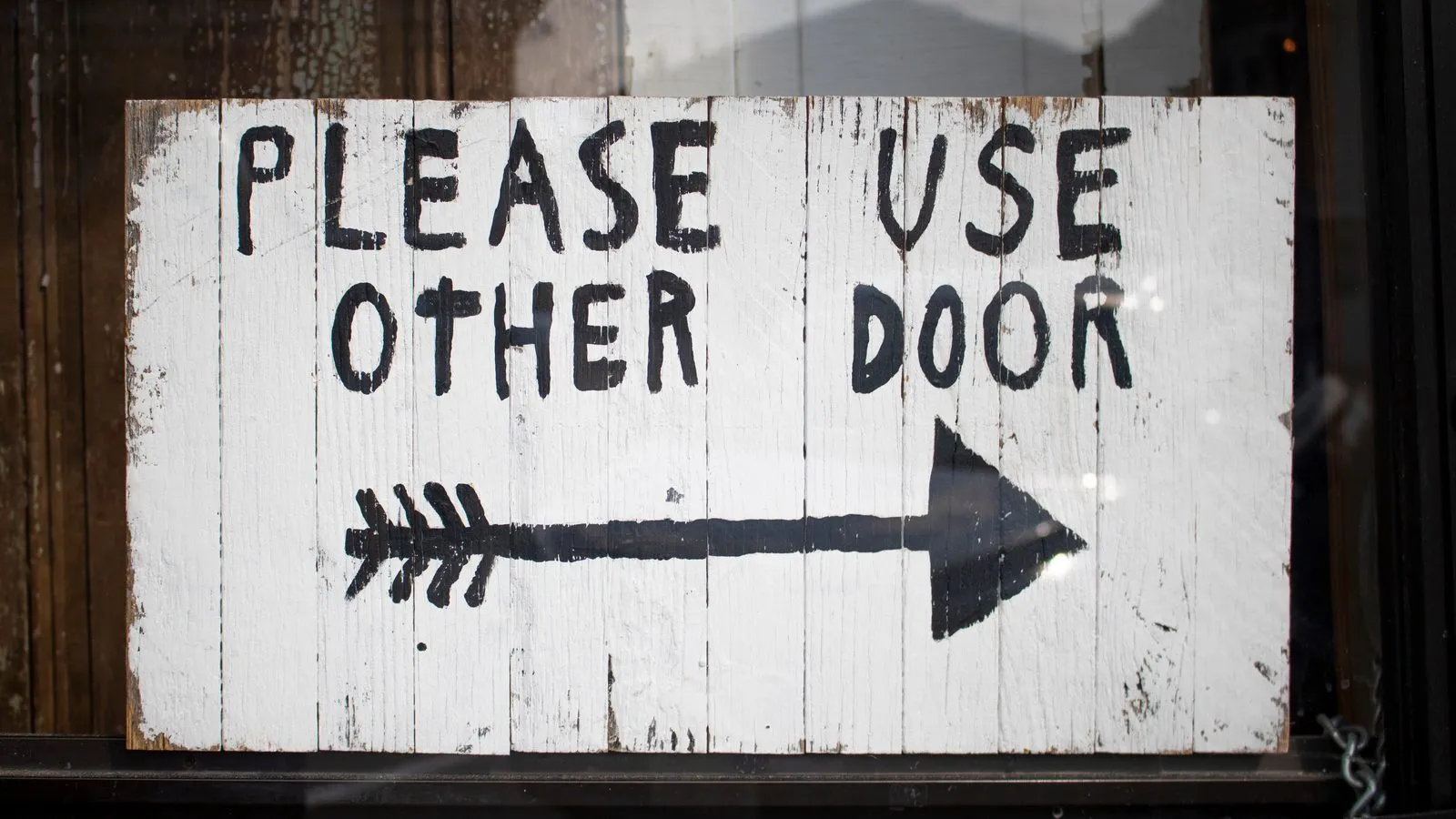
Here is the shape I keep finding instead. A commercial search — the kind typed by someone holding a budget — ranks against a blog post, a case study, a news item, a portfolio piece. Not because two pages are competing, but because that’s the only page you’ve given Google to file the search under. Your editorial answered the question so well it got the job, and it’s the wrong page for the job, because a reader who has never heard of you lands on an article and finds no price, no scope, no next step.
I’ve seen it on a manufacturer’s site where the case studies quietly outrank everything commercial, and now I’ve measured it on my own. The article was doing honest work. It just couldn’t convert a buyer, and there was nothing else to show them.
This is worth separating from a neighbouring problem: if the right page ranks well and nobody clicks, that’s a title and snippet question, and I wrote about that check separately. This piece is about the wrong page ranking — or no right page existing at all.
The ten-minute Search Console check
You can diagnose both faults in one sitting, with nothing you have to buy.
- Open Search Console, Performance, and set the date range to the last 3 months.
- Go to the Queries tab and pick out the searches with commercial intent — the ones where the searcher is choosing a supplier, not reading around a subject.
- Click one query, then switch to the Pages tab. This shows you which of your pages Google is actually serving for it.
- Two or more URLs sharing the query, swapping over time — that’s cannibalisation. Note both pages.
- One URL, and it lives under /blog/, /news/, /work/, /case-studies/ or /portfolio/ — that’s the missing-page fault. The demand is proven, by your own data, on a page that was never built to receive it.
Run it for your 10 most commercial queries and you’ll have the full picture inside 10 minutes. On most sites the second list comes out longer than the first.
What to do with what you find
For genuine cannibalisation, resist the reflex to delete. Both pages earned impressions, which means both hold something Google values. Differentiate first: give each page a distinct intent to own, retitle them so they stop claiming the same job, and point your internal links at the page that should win — internal links are the clearest vote you control. Merge only when the two pages truly say the same thing to the same reader, and redirect the one that goes.
For the missing page, the fix is more cheerful, because the expensive half of SEO — ranking at all — is already paid for. It’s the same physics as improving a page before you rebuild it: the authority exists, it’s just pointed at the wrong door. Build the commercial page the search deserves. Use the searcher’s own phrasing in the title. Then wire the editorial page to it: the article keeps answering the question, and hands its reader — and some of its authority — to the page that can take the enquiry.
That’s what I did with mine. The Shopify designer page went live in late July, cross-linked with the article that had been covering for it, each keeping its own job — the article owns the choosing, the page owns the hiring.
And the coda, because this is where most write-ups go quiet: 3 weeks on, Google hasn’t re-filed those queries yet. The impressions still land where they always did. That’s normal. Google took months to settle the queries on the old page and it will take weeks or months to re-settle them on the new one. The diagnosis was 10 minutes; the correction is a season. What’s changed is that the demand my own data proved is now pointed at a page that can answer it — which is a better position than 2,000 appearances and 2 clicks, quietly, forever.
If you run the check on your own site and the second list makes uncomfortable reading, get in touch — reading someone’s Search Console properly is a short job, and it’s the cheapest strategy work there is.
Related: Impressions But No Clicks: The Ten-Minute Check — when the right page ranks and nobody arrives. How to Choose a Shopify Web Designer — the article from the worked example, still doing the job it was built for. Improve Your Website Before You Rebuild It — the principle underneath the fix.
Want the Buyers Searching for You to Find You?
If yours is an established UK business, we run its search and AI visibility, measured in your own Search Console. Before we speak, Anthony reads your site against what you want to be found for, so the first call starts with what we found.
Or email tony.cooper@cooperagency.co.uk. Every enquiry is answered within 24 hours on working days.

Anthony Cooper
Founder, Cooper Agency
Anthony Cooper leads every Cooper Agency engagement. If this piece describes a problem your business is facing, we would be glad to talk it through.
Contact